








Introduction to AI in Design
The rise of Artificial Intelligence (AI) in the design world has sparked both excitement and concern among designers. While AI has the potential to revolutionize the design process, many designers worry that it will replace them. However, AI is a tool, not a replacement. It is designed to augment and enhance the design process, freeing up designers to focus on high-level creative decisions. By understanding the capabilities and limitations of AI, designers can harness its power to stay indispensable in a world of automated design.
Understanding the Role of AI in Design
AI can perform repetitive and time-consuming tasks, such as data analysis and pattern recognition, with greater speed and accuracy than humans. This enables designers to focus on creative problem-solving and strategy. Additionally, AI can provide designers with new insights and ideas, generated through machine learning algorithms and data analysis. However, AI lacks the creativity, empathy, and critical thinking that human designers bring to a project.
Key Benefits of AI in Design
The key benefits of AI in design include increased efficiency, improved accuracy, and enhanced creativity. AI can help designers to automate routine tasks, such as formatting and layout, freeing up time for more strategic and creative work. AI can also analyze large datasets, providing designers with valuable insights and trends that can inform their design decisions.
Limitations of AI in Design
While AI has many benefits, it also has limitations. AI lacks the emotional intelligence and empathy that human designers bring to a project. AI can also struggle to understand the nuances of human behavior and the complexities of social context. Furthermore, AI is only as good as the data it is trained on, and biased or incomplete data can lead to flawed design decisions.
| Benefits | Limitations |
|---|---|
| Increased efficiency | Lack of emotional intelligence |
| Improved accuracy | Struggles with nuances of human behavior |
| Enhanced creativity | Dependent on quality of training data |
Staying Indispensable in a World of Automated Design
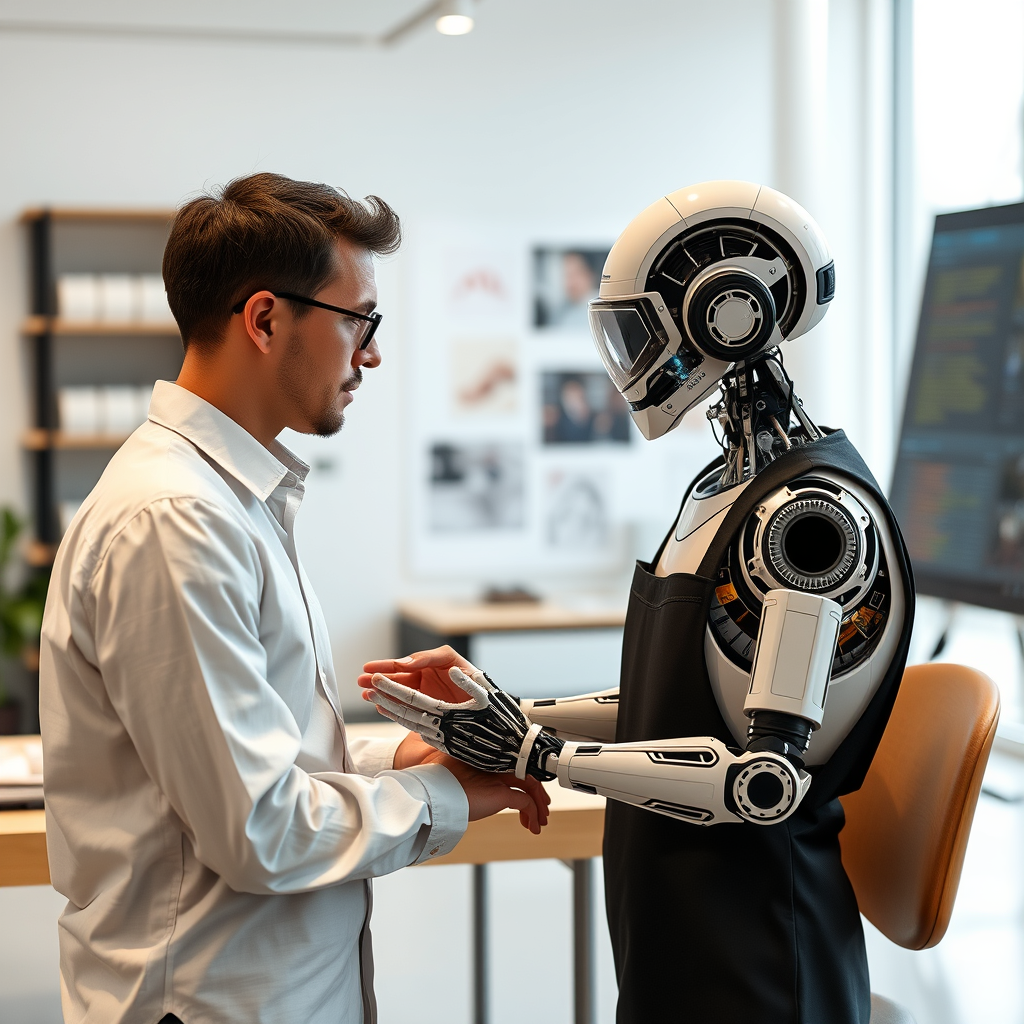
To stay indispensable in a world of automated design, designers must focus on developing skills that complement AI. This includes critical thinking, creativity, and emotional intelligence. Designers must also be able to communicate complex design concepts to stakeholders and work effectively in interdisciplinary teams. By embracing AI as a tool, rather than a replacement, designers can unlock new opportunities for innovation and growth.

Future of AI in Design
The future of AI in design is exciting and uncertain. As AI technology continues to evolve, we can expect to see new applications and innovations in the design world. However, it is crucial that designers remain at the forefront of this development, ensuring that AI is used in a way that enhances and supports human creativity, rather than replacing it.